
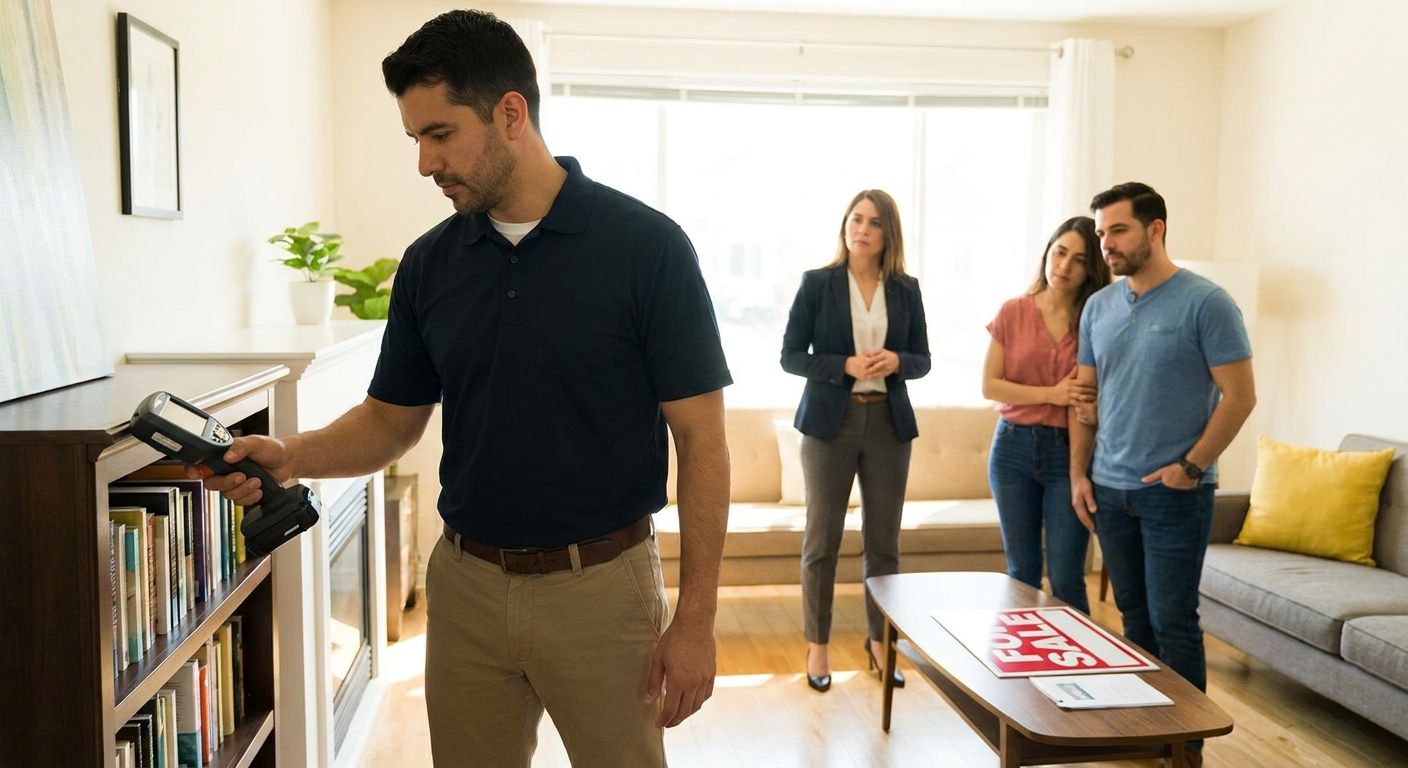
Bug sweep services for realtors protect open houses, vacant listings, and agent vehicles from hidden cameras, audio bugs, and GPS trackers left behind by sellers, disgruntled exes, or curious buyers. Realtors carry a unique exposure: they walk strangers through private homes daily and often drive alone to remote showings, which makes both the property and the vehicle a target.
- USA Bugsweeps runs professional TSCM sweeps for listings, open houses, and agent vehicles nationwide in 2026.
- Bug sweep services for realtors matter most on luxury listings, contentious divorces, and estate sales where a seller may have left recording devices active.
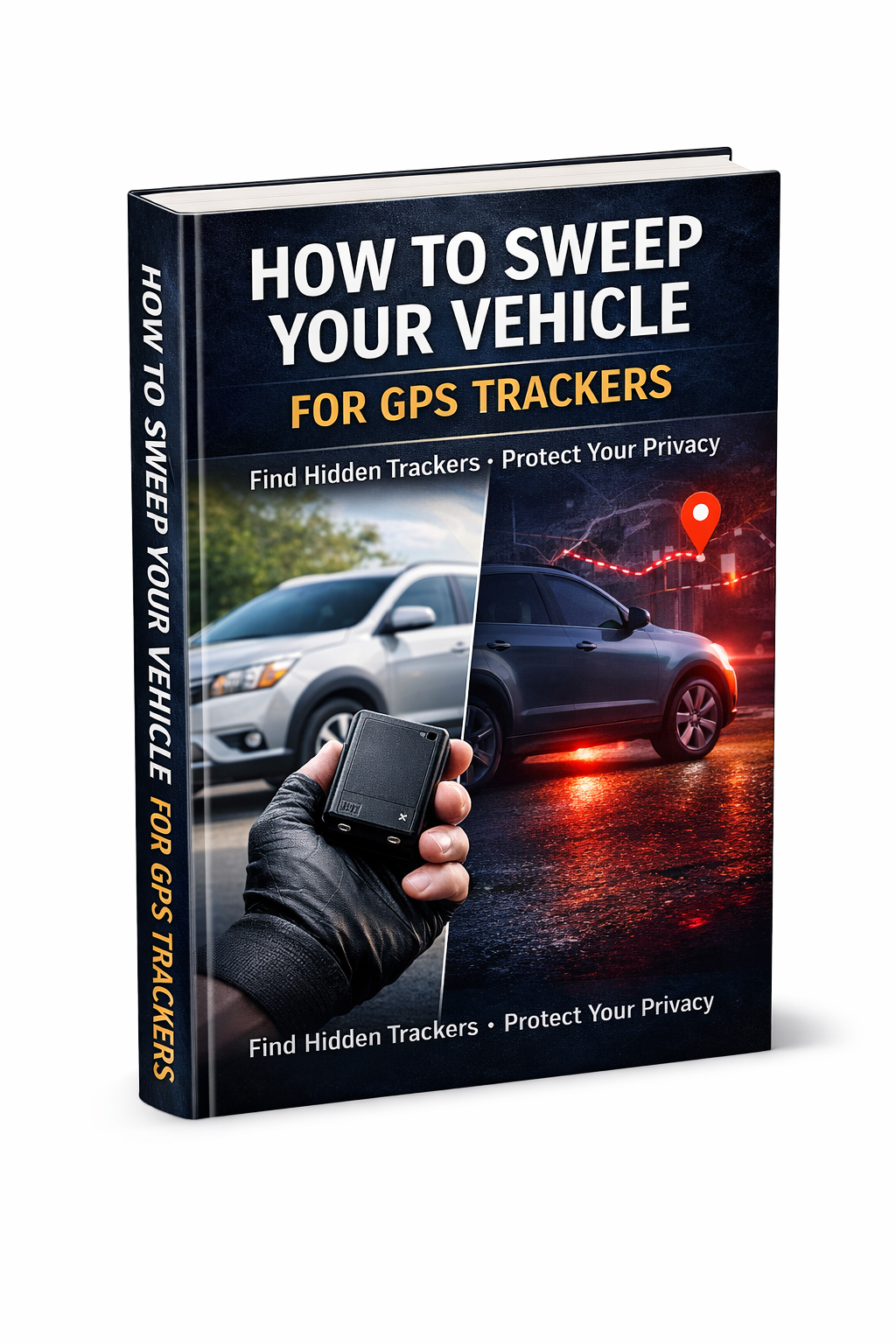
- A $29 self-check guide covers vehicle GPS trackers; it does not replace a professional sweep for in-home audio or video bugs.
- Consumer RF detectors flag Wi-Fi and Bluetooth noise as false positives and miss passive, non-transmitting devices.
- Schedule a sweep before the first open house, not after a listing draws media attention.
Why bug sweep services matter for realtors
An open house puts dozens of strangers inside a home with a lockbox code and a seller who has already moved out — or hasn't. Sellers sometimes leave smart cameras, baby monitors, or old security systems running out of habit, and buyers occasionally plant recorders to gain negotiating leverage during private walkthroughs.
Realtors also spend hours alone in a car between showings, which is exactly the scenario a hidden GPS tracker is built for. USA Bugsweeps works with agents, brokers, and property managers who need a professional check before a listing goes live, not after something feels off.
High-value listings carry extra risk. A public figure selling a home, a contested divorce sale, or an estate liquidation can attract attention from people with a financial or personal reason to record private conversations inside the property.
Update your pre-listing walkthrough
Before photos go up and before the lockbox goes on the door, walk every room the way a buyer will.
- Check smoke detectors, thermostats, and outlet covers for anything that looks swapped or newer than the rest of the room
- Look at seller-left electronics — smart plugs, video doorbells, baby monitors — and confirm who still controls the account
- Open closets and cabinets for objects facing outward toward seating areas or beds
- Note any device with a blinking LED, a warm casing, or a cable that doesn't match its outlet
- Photograph the walkthrough so you have a dated record before the first showing
Check seller-left smart devices and electronics
Sellers rarely disable their smart home apps before listing, and that's a bigger risk than most agents assume.
- Ask sellers directly whether any camera, doorbell, or smart speaker still connects to their phone
- Reset any Wi-Fi router to a new SSID and password before the first open house
- Remove or factory-reset video doorbells rather than leaving them "just in case"
- Confirm smart locks are re-paired to the listing agent's account, not the seller's
- Flag any device the seller can't explain and treat it as a hold until verified
Sweep common hiding spots in staged rooms
Staging furniture creates new hiding spots that weren't there during the original walkthrough.
- Check inside staged books, tissue boxes, and decorative clocks for anything with weight or a seam
- Look behind mounted TVs and speaker soundbars for extra wiring
- Inspect vents and light fixtures added specifically for staging
- Recheck after every open house — furniture and small objects get moved by visitors
- Treat any device found mid-listing as a reason to pause showings until it's identified
Sweep your own vehicle before and after showings
Agents who drive to five showings a day are easy targets for a magnetic GPS tracker attached under a bumper or wheel well.
- Check the undercarriage, wheel wells, and trunk with a flashlight before leaving the office
- Scan the OBD-II port for anything plugged in that isn't a dash cam or dealer accessory
- Run a Bluetooth scanner app for unfamiliar device names parked near your vehicle
- Check under seats and in the glovebox after any showing where the car was unattended
- Follow a step-by-step method like the guide to getting a hidden GPS tracker removed from your car if you find something and aren't sure it's factory equipment
The $29 self-check guide from USA Bugsweeps walks agents through the exact spots trackers get placed, without needing a technician on-site — a faster path than guessing at forum threads.
Screen digital access points and shared logins
Most realtors underestimate how many digital doors stay open after a listing changes agents or a lockbox code resets.
- Change lockbox and smart lock codes the day the listing goes active, not the day before
- Confirm the seller's home Wi-Fi is off-limits or disconnected from the router used during showings
- Check whether a seller's cloud camera storage is still active and syncing during open houses
- Remove old showing agents or assistants from any shared access app once a listing closes
Bring in a professional TSCM sweep before high-value listings
DIY checks catch obvious devices. They miss RF-only transmitters, passive recorders with no active signal, and cameras built into everyday objects that a visual scan won't flag.
A professional TSCM sweep from USA Bugsweeps uses equipment tuned to detect transmissions and hidden lenses that a phone app or retail detector can't reliably catch. This matters most for luxury listings, sales tied to a divorce or estate, and any property where the seller is a public figure — the same reasoning behind bug sweep services for executives and public figures.
- Schedule the sweep before the first open house, not after a buyer or seller raises a concern
- Request a written report of findings for your file, especially on contested sales
- Rebook a sweep any time the property sits vacant for an extended stretch between showings
- Treat the sweep as part of listing prep, the same line item as photography or staging
Document and report findings clearly
A sweep is only useful if the results go somewhere.
- Keep a dated file for every property swept, including photos and any device removed
- Notify the seller in writing if a device is found, before removing it
- Loop in your broker on any finding tied to a contested or litigated sale
- Save contact information for a licensed TSCM technician for repeat listings
Comparison of options for realtors
| Option | Best for | Starting price | Key limitation |
|---|---|---|---|
| DIY visual walkthrough | Every open house, no budget | Free | Misses RF-only devices and anything hidden inside electronics |
| Self-service vehicle GPS check guide | Agents worried about being tracked between showings | $29 (USA Bugsweeps) | Covers vehicles only, not in-home audio or video bugs |
| Consumer RF detector (retail) | Agents wanting a mid-range check between professional sweeps | Varies by retailer | Flags Wi-Fi/Bluetooth noise as false positives, misses passive recorders |
| Professional TSCM sweep (USA Bugsweeps) | Luxury listings, contested sales, public-figure sellers | Quote-based | Requires scheduling ahead of the first showing |
Realtors handling a standard listing can lean on the free walkthrough and the $29 vehicle guide; anything luxury, contested, or high-profile calls for a professional TSCM sweep.
Common mistakes realtors make
- Trusting a seller's word that "there are no cameras" — sellers often forget devices they installed themselves years earlier
- Sweeping the property but skipping the vehicle, leaving the agent tracked between showings all day
- Focusing only on obvious spots like smoke detectors while ignoring seller-left smart plugs or doorbells still tied to an old account
- Waiting to schedule a sweep until a listing draws media attention instead of before the first open house
- Not documenting sweep results, leaving no paper trail if a device surfaces later in a dispute
FAQ
What are bug sweep services for realtors?
Bug sweep services for realtors check listings, open houses, and agent vehicles for hidden cameras, audio bugs, and GPS trackers. USA Bugsweeps runs these sweeps nationwide for agents, brokers, and property managers in 2026.
Do realtors really need a professional sweep for a standard listing?
A standard listing usually only needs a careful visual walkthrough and a vehicle check. Reserve a professional TSCM sweep for luxury listings, contested divorces or estates, and public-figure sellers.
Can a seller's smart camera still be recording during an open house?
Yes, if the seller hasn't disconnected the account or reset the router. Confirm every smart device is reset or removed before the listing goes active.
How much does a professional bug sweep cost?
Professional TSCM sweep pricing is quote-based and depends on property size and scope. The $29 vehicle GPS check guide from USA Bugsweeps covers self-service checks for the agent's car.
Is a consumer RF detector good enough for a real estate agent?
A consumer RF detector catches some active transmitters but flags normal Wi-Fi and Bluetooth traffic as false positives and misses passive, non-transmitting recorders.
Where do hidden cameras usually turn up in a staged home?
Common spots include staged clocks, tissue boxes, mounted TV frames, and smoke detectors. Recheck these spots after every open house since staged objects get moved by visitors.
How often should a listing be swept during a long sale?
Rebook a sweep any time the property sits vacant for an extended stretch or after any concerning open house. High-value or contested listings warrant a sweep before the first showing and again if the sale drags on.
One last thing
The riskiest window for a realtor isn't the open house itself — it's the vacant stretch between showings when a property sits unlocked, unwatched, and unattended for hours at a time in 2026's market. That's when devices get planted and vehicles get tagged, which is exactly why the walkthrough and the vehicle check both belong in the pre-listing routine, not as an afterthought.


