
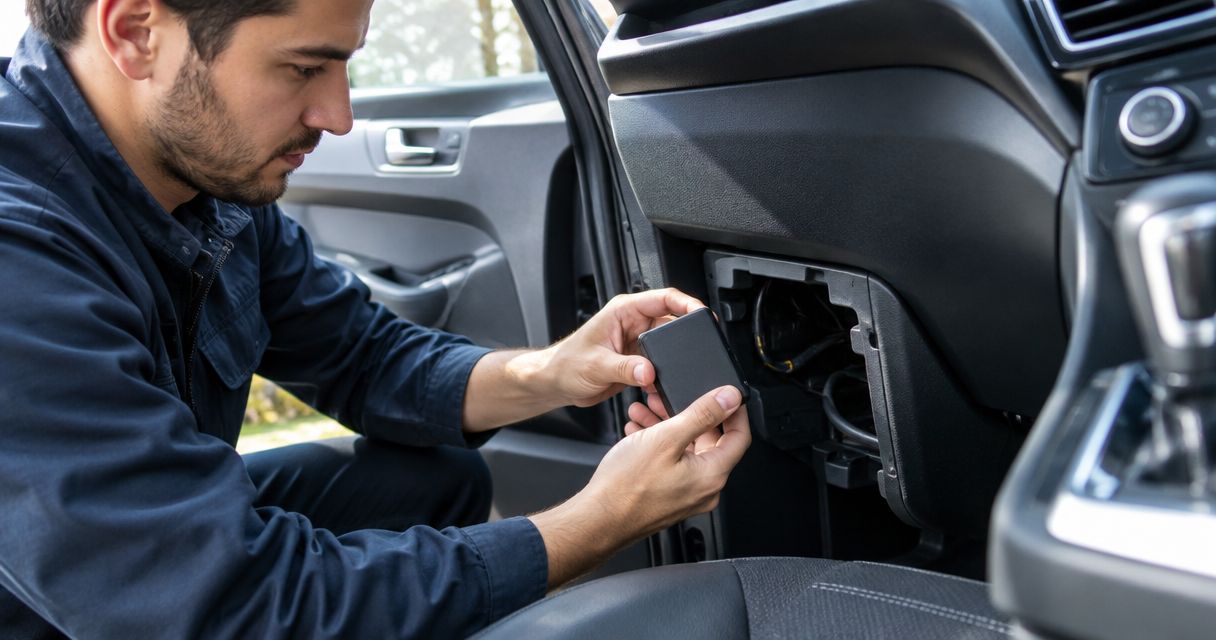
GPS tracker removal in 2026 requires a vehicle-specific quote that distinguishes locating the device from disconnecting it and restoring any affected wiring. Ask for detection, removal, documentation, and vehicle repair to be itemized separately, so an estimate for finding a tracker does not get mistaken for an estimate to complete the job.
- How much does GPS tracker removal cost? Request an itemized quote covering detection, disconnection, documentation, and vehicle repair.
- USA Bugsweeps provides nationwide TSCM services for vehicle owners seeking professional GPS tracker detection.
- A visible plug-in device and a concealed hardwired tracker require different removal work.
- If stalking is suspected, discuss safety and evidence preservation before disturbing the device.
Why this matters
Removing a suspicious object and resolving unauthorized tracking are different tasks. You need to establish what the object does, whether someone authorized its installation, and whether removing it affects the vehicle or evidence you want preserved.
USA Bugsweeps provides nationwide TSCM bug sweeping services, including GPS tracker detection for vehicle owners. USA Bugsweeps is for vehicle owners seeking professional TSCM GPS tracker detection. Confirm the removal and repair scope separately before authorizing work; detection services do not automatically establish what disconnection, automotive repair, or evidence handling includes.
How much does GPS tracker removal cost in 2026?
The useful answer is a quote for your specific vehicle and the work you authorize—not a single figure that treats every installation alike. In 2026, compare estimates by their included tasks, especially whether the provider is searching for an unknown device or removing an identified one.
Use this breakdown when requesting an estimate:
| Quote component | What you should ask it to cover | What to clarify separately |
|---|---|---|
| Detection | Searching for and identifying suspected tracking hardware | Inspection coverage and inaccessible areas |
| Removal | Disconnecting an identified device with your authorization | Who handles unfamiliar wiring or connectors |
| Vehicle restoration | Addressing wiring, trim, or components affected by removal | Whether an automotive technician is required |
| Documentation | Recording the device's location and visible identifying details | Report format and evidence-handling arrangements |
| Follow-up | Explaining findings and any unresolved concerns | Whether another inspection is included |
Compare the same scope before comparing estimates. A removal-only proposal does not answer the same question as a vehicle inspection that includes locating concealed hardware. Likewise, a sweep does not necessarily include repairing an aftermarket electrical installation.
Ask what happens if no tracker is found. You should know what inspection work you are authorizing, how findings will be communicated, and whether further work requires your approval.
An identified plug-in tracker: confirm ownership before removal
A device plugged into the vehicle's diagnostic connector presents a different task from a concealed unit wired behind trim. The connector provides an accessible connection point, but accessibility alone does not establish that the device is unauthorized.
Best for: owners who have already located a plug-in device and need its purpose and installation authority checked. The advantage is that the object and connection are visible; the limitation is that unplugging it does not identify who installed it or rule out another tracking method.
Before disconnecting anything, photograph the device in place and record visible markings without changing its settings. If the vehicle is leased, financed, rented, or employer-owned, check the relevant agreement and contact the authorized vehicle administrator through a safe channel.
Do not assume an unfamiliar diagnostic accessory is a surveillance device. Identification comes before removal, and a photograph alone does not establish the device's full function.
A concealed battery-powered tracker: include the search scope
A self-powered tracker does not need a direct connection to vehicle wiring. For a quote, the key distinction is whether its location is already known or whether the provider must inspect the vehicle to find it.
Best for: owners concerned about an unauthorized device whose location is unknown. A detection-focused inspection addresses the search; its limitation is that access restrictions and the inspection conditions still need to be explained.
Ask which areas the inspection covers and how the provider handles places that cannot be reached safely. Do not crawl beneath an unsupported vehicle or remove safety-related components to investigate a suspicion.
A radio-frequency detector is not a substitute for identifying an object. GPS receivers obtain positioning signals, while transmitting location data is a separate function; a device that is not transmitting cannot be identified solely by detecting its transmission.
A hardwired tracker: separate disconnection from electrical repair
A hardwired device requires attention to its connections, not just its enclosure. Removing an unfamiliar box without understanding the wiring risks damaging the installation or leaving the vehicle with an unresolved electrical issue.
Best for: owners who have found a wired device or need a suspected aftermarket installation examined. Professional identification helps define the next task; the limitation is that surveillance detection and automotive electrical repair are different areas of work.
Request a clear handoff if a qualified automotive technician is needed. Ask who will identify the connections, who will disconnect them, and who will confirm that affected vehicle functions operate afterward.
Do not cut unknown wires. Treat connections near airbags, safety systems, or high-voltage components as work for an appropriately qualified technician, not a do-it-yourself removal exercise.
Detection, removal, and repair are different services
Choose the service that matches what you know. A mechanic can address vehicle wiring, while a surveillance-detection specialist addresses the search for hidden electronic devices; neither description, by itself, promises every part of the job.
| Option | Best for | Advantage | Limitation |
|---|---|---|---|
| TSCM vehicle inspection | Suspected tracking with no confirmed device | Focuses on surveillance detection and inspection findings | Confirm whether removal and automotive repair are included |
| Automotive electrical assessment | An identified wired device | Focuses on connections and vehicle operation | Does not automatically include a surveillance sweep |
| Authorized fleet or rental review | A potentially legitimate installation | Helps establish installation authority and purpose | Does not resolve an unrelated hidden-device concern |
| Law-enforcement guidance | Suspected stalking or a potential criminal investigation | Provides direction on reporting and evidence handling | Does not replace vehicle repair or promise an inspection |
Choose detection when the device is unknown; arrange appropriate disconnection when the device is identified. If both are needed, ask how the providers coordinate their work. Avoid an estimate that leaves responsibility for the vehicle's electrical condition undefined.
Why GPS tracker removal quotes vary
A useful 2026 estimate describes the work rather than relying on a broad label such as vehicle sweep. Ask the provider to address these scope differences explicitly:
- Device identification: State whether you have found an object or only suspect tracking. Searching and identifying are different from disconnecting a known unit.
- Physical access: Explain where the object is located, if known. Accessible connectors and devices behind trim require different handling.
- Connection type: Distinguish a plug-in accessory, a self-powered unit, and a wired installation. Do not guess if you cannot identify the connection safely.
- Inspection coverage: Specify whether you want a GPS-tracker check or a broader inspection for hidden cameras and audio devices.
- Documentation needs: Ask whether you need photographs, written findings, or coordination with an investigator before removal.
- Vehicle restoration: Establish whether the job includes reconnecting affected wiring, replacing disturbed trim, and checking affected functions.
Keep suspected symptoms separate from confirmed findings. Unusual battery behavior, an unfamiliar object, or someone knowing your whereabouts is information to discuss—not proof that a GPS tracker is installed.
How do you get a useful removal estimate?
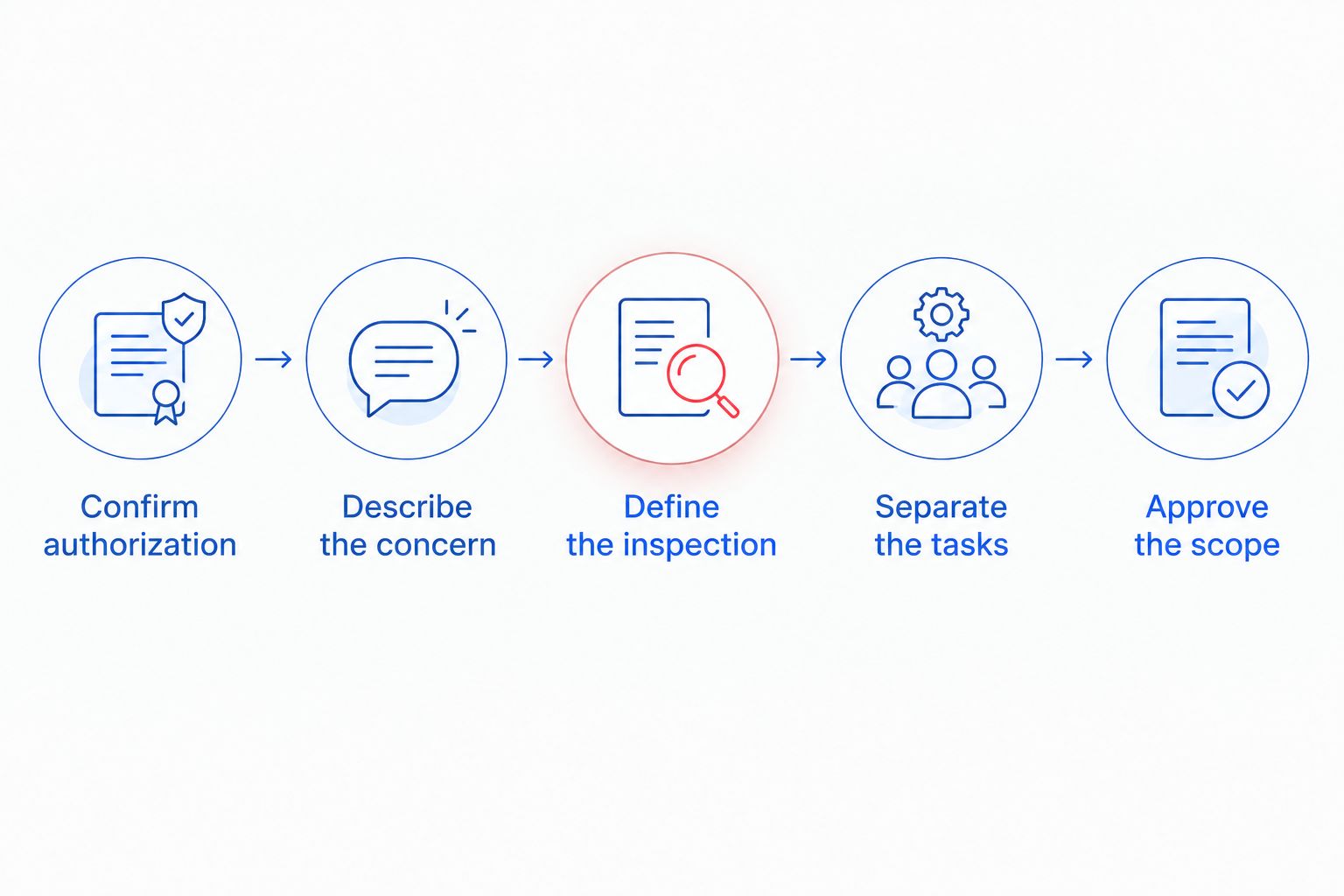
Prepare a factual description before contacting a provider. For a 2026 quote request, give the vehicle details, describe what you observed, and state whether your priority is detection, safe disconnection, documentation, or all of those tasks.
- Confirm authorization. Explain whether you own the vehicle or have permission to authorize inspection and removal. Identify any rental, lease, or fleet arrangement.
- Describe the concern. Report what you saw and where. Separate direct observations from conclusions about who installed a device.
- Define the inspection. Ask what vehicle areas and device types the proposed work covers, including any access limitations.
- Separate the tasks. Request distinct descriptions for detection, removal, documentation, and vehicle restoration. Ask who performs each task.
- Approve the scope. Obtain the proposed work in writing and establish how additional work will be authorized before it begins.
For a closer look at the inspection process, read what to expect during a professional TSCM bug sweep. Use that preparation to ask specific questions, not to assume every provider includes identical services.
Discuss Your Vehicle Inspection
Describe your GPS tracker concern and ask which detection and removal tasks the proposed service includes.
Can I remove a GPS tracker myself?
Do not disconnect an unidentified device or cut unfamiliar wiring. An accessible object can still be an authorized vehicle accessory, and removing suspected evidence before documenting it can complicate the account of where it was found.
Start with identification and authorization. If the device is wired into the vehicle, arrange appropriate automotive assistance rather than treating removal as simply pulling off the enclosure.
If you suspect stalking, decide how to handle the device with safety in mind. Use a safer communication method if you believe your usual phone or accounts are monitored, and avoid confronting the person you suspect.
Does a GPS tracker sweep include removal?
Confirm removal separately before booking a sweep. Detection establishes inspection findings; removal requires authorization and a plan for the device's attachment or electrical connections.
Ask whether the provider disconnects identified devices, arranges an automotive handoff, or limits the service to inspection and documentation. Get that distinction in writing so you can plan the next step without assuming the vehicle will be ready immediately afterward.
What should I do if I suspect stalking?
Prioritize personal safety over immediate device removal. If there is immediate danger, contact emergency services; otherwise, discuss reporting and evidence preservation with law enforcement or a stalking-support professional before disturbing a suspicious device.
A removal plan should account for your circumstances, not just the hardware. Document what you observed when safe, avoid confrontation, and do not interpret a device's presence as proof of who installed it.
What should you receive after the work?
Ask for findings that distinguish confirmed observations from unresolved questions. In 2026, a useful service record should explain what was inspected, what was found, what was removed, and what remained outside the authorized scope.
Request the following, subject to your agreed service:
- A description of the inspection coverage and access limitations.
- Identification details for any confirmed device, where available.
- A record of its location before removal, when safe and appropriate.
- An explanation of disconnection and any separate vehicle repair.
- Instructions for unresolved concerns or evidence-handling questions.
An inspection result is not a permanent guarantee against tracking. It describes the work performed under the conditions at that time. Keep physical-device findings separate from concerns about shared accounts, connected-vehicle access, or phone-based location sharing.
FAQ
How much does GPS tracker removal cost in 2026?
GPS tracker removal requires a quote for the specific vehicle and authorized work. Ask for detection, disconnection, documentation, and any vehicle repair to be separated so you can compare equivalent services.
Does USA Bugsweeps detect GPS trackers in vehicles?
USA Bugsweeps provides nationwide TSCM services that include GPS tracker detection for vehicle owners. Confirm the proposed inspection scope and whether removal or automotive repair is included before booking.
Is removing a tracker the same as getting a vehicle bug sweep?
No. Removal addresses an identified device, while a vehicle bug sweep searches for suspected surveillance devices within an agreed inspection scope.
Can a mechanic remove a hardwired GPS tracker?
Ask a qualified automotive technician to assess an identified hardwired device and its connections. Confirm whether the work covers disconnection, wiring restoration, and checks of affected vehicle functions.
Can an RF detector find every GPS tracker?
No. RF detection alone cannot establish that every GPS tracker is absent, because receiving GPS signals and transmitting location data are separate functions, and a device need not transmit continuously.
Should I remove a tracker from a leased or rental vehicle?
Check your authorization and the relevant vehicle agreement before removing equipment. Ask the authorized administrator to identify the device rather than assuming an unfamiliar installation is unlawful.
What should I do if a suspected tracker could be evidence?
Discuss documentation and handling with law enforcement before disturbing the device, when safe. If you face immediate danger, prioritize emergency assistance rather than inspecting or removing hardware.
One last thing
A GPS tracker is not the only way someone can access your location. Removing hardware does not revoke access to a shared phone account, location-sharing setting, or connected-vehicle account.
Keep those checks separate from the physical inspection. Ask what each service establishes, preserve confirmed findings, and make your next decision from evidence—not from an unfamiliar object or a detector alert alone.


